Quick answer: Make one playful print the focal point, then let color and proportion connect it to the rest of the outfit. A graphic piece looks intentional when one or two colors repeat and the supporting items stay quieter.
Start with one visual anchor
Choose the graphic item first and notice its strongest color, scale, and mood. A large cheerful illustration already does the talking; it rarely needs several competing patterns. Neutral denim, black, cream, or a color pulled from the print can create a clear frame.
Balance the silhouette
A cropped tee can pair with a higher-rise bottom or a simple layer. The useful question is not whether a style is trendy, but whether the proportions feel comfortable for the wearer. Check the exact garment measurements rather than choosing from a usual size alone.
Use the occasion as a filter
For a casual gift, think about where the recipient could actually wear the design: weekend errands, a relaxed gathering, a pet-friendly event, or a playful holiday moment. A useful styling direction fits the person’s real life.
A real product example
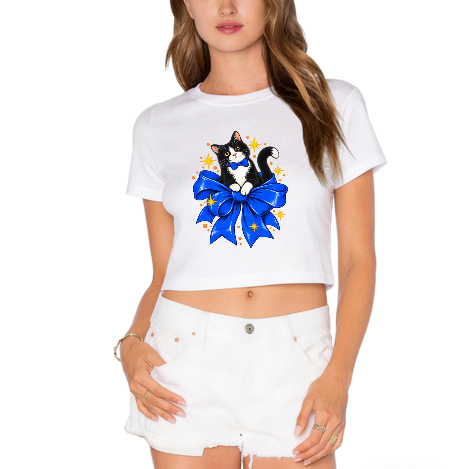
The Bow-Tied Cat Crop Tee offers a clear animal graphic that can act as the outfit’s focal point. Confirm its current colors, sizes, and measurements on the product page before choosing a variant.
Practical checklist
- Pick one main graphic.
- Repeat one color elsewhere in the outfit.
- Keep competing patterns limited.
- Use the exact size chart and measurements.
- Choose a styling idea the recipient would realistically wear.
Frequently asked questions
Can two prints work together?
Yes, when they share a color or differ clearly in scale, but one should remain dominant.
Should a gift buyer choose the recipient’s usual size?
Use the listed measurements because fit and silhouette vary by product.
Can playful graphics look polished?
Yes. Clean supporting pieces and deliberate color repetition make the print feel considered.
Last reviewed: September 10, 2026. Product details and availability can change; verify the linked product page before ordering.
Use a three-level print formula
| Level | Print role | Supporting pieces |
|---|---|---|
| Quiet | Small motif or low contrast | Soft neutrals and simple texture |
| Focused | One clear graphic is the outfit’s center | Repeat one artwork color elsewhere |
| Maximal | Multiple visible ideas with intentional contrast | Keep a shared color, scale rhythm, or theme |
Choose the level before adding accessories. “Playful” does not require every piece to compete; it means the visual joke or personality reads deliberately.
Build three useful outfit directions
Weekend casual
Pair one graphic tee with familiar denim, shorts, or a solid overshirt. Repeat one color from the artwork in shoes, a bag, or jewelry. This keeps the print connected to the outfit without becoming a costume.
Layered and quieter
Let a jacket, cardigan, or open shirt frame only part of the graphic. The motif still provides personality, but the reduced visible area works in settings where a full statement feels too loud.
Deliberately expressive
Combine the print with another pattern only when they share one organizing rule: a repeated color, clearly different scales, or a common theme. Two medium-scale prints with unrelated palettes usually compete rather than converse.
Use a three-distance check
- Mirror distance: does the outfit have one obvious visual center?
- Conversation distance: can someone understand the motif without studying it?
- Close distance: do details, fabric, and accessories still feel intentional?
Photograph the outfit in ordinary daylight. A photo often reveals color imbalance or print competition that is easy to miss while looking down at the clothes.
Let the motif travel to the right context
The design is the expressive idea; the product decides where that idea lives. A beloved pet motif can become a shirt when the wearer wants conversation, a tumbler when they want a daily private ritual, or a spare tire cover when they want the story visible on every drive.
Continue with a related decision
- Choose crop tee or cotton tee before styling the print.
- Prepare a recognizable pet image for a custom motif.
- Browse current graphic T-shirts and verify fit, material, and measurements.